Morning: 6:00 AM – 12:00 PM
Evening: 4:00 PM – 9:00 PM
सकाळ: सकाळी ६:०० – दुपारी १२:००
सायंकाळ: दुपारी ४:०० – रात्री
९:००
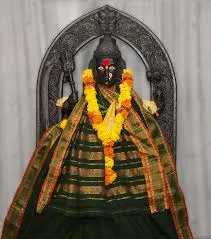
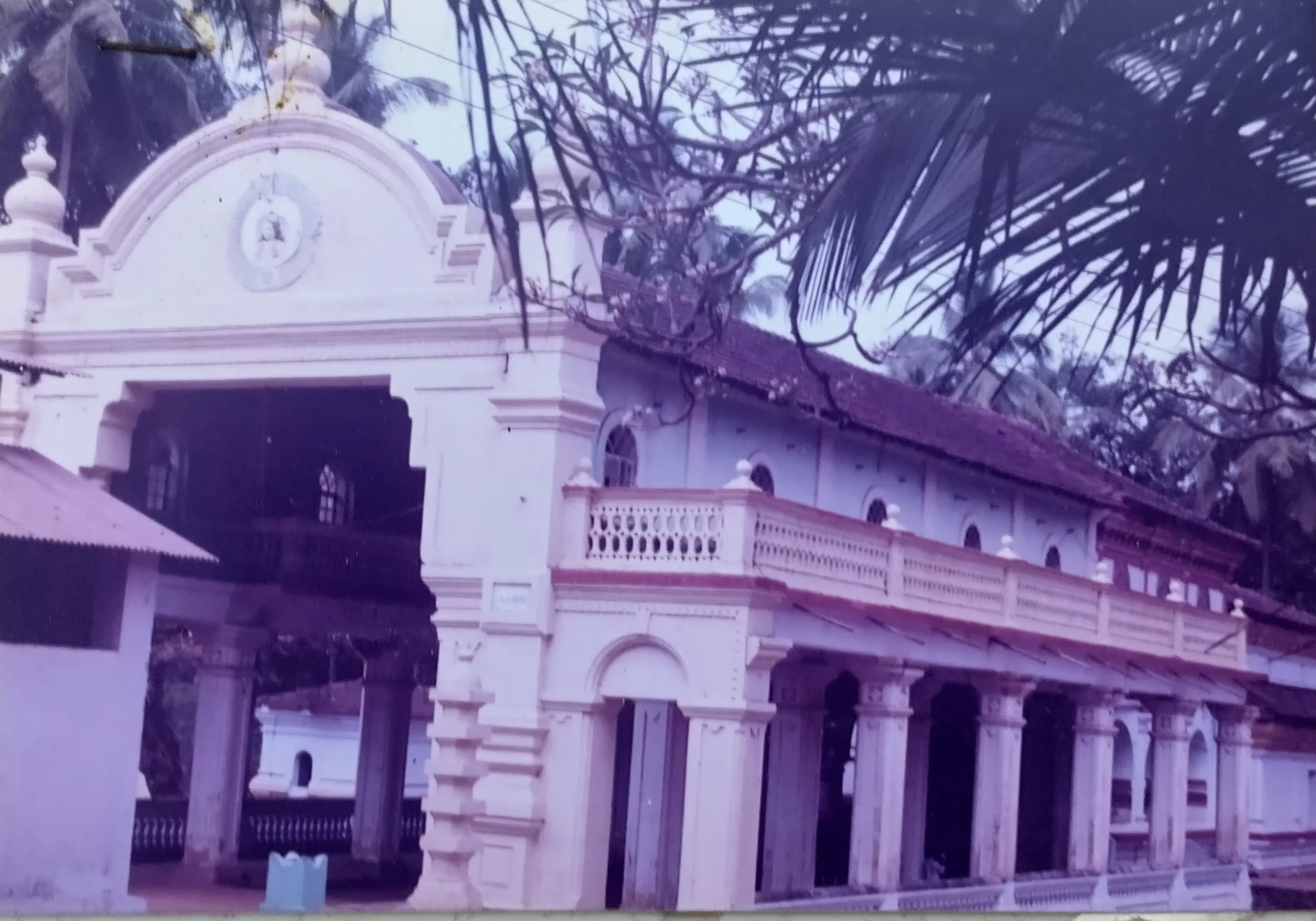
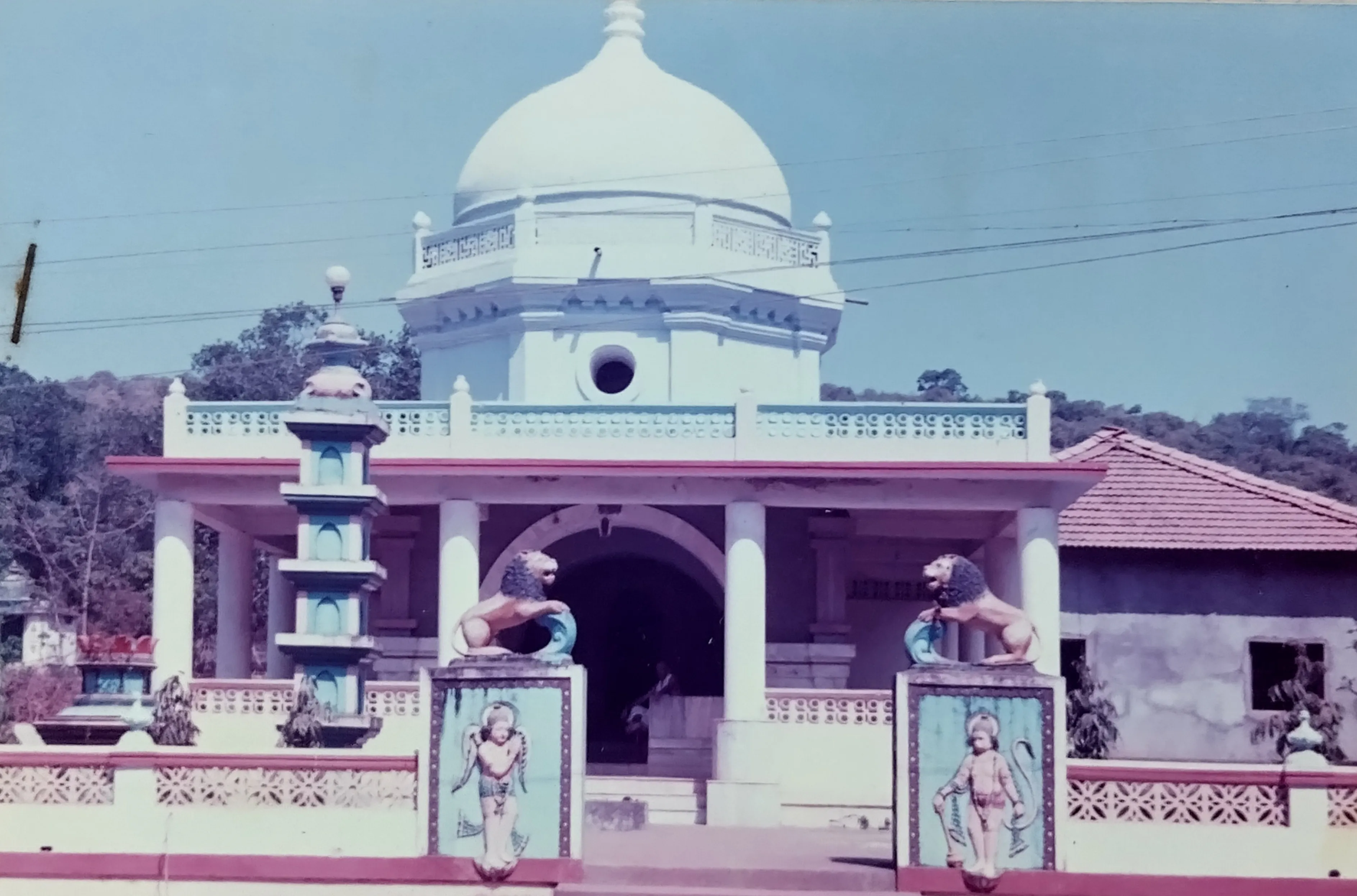
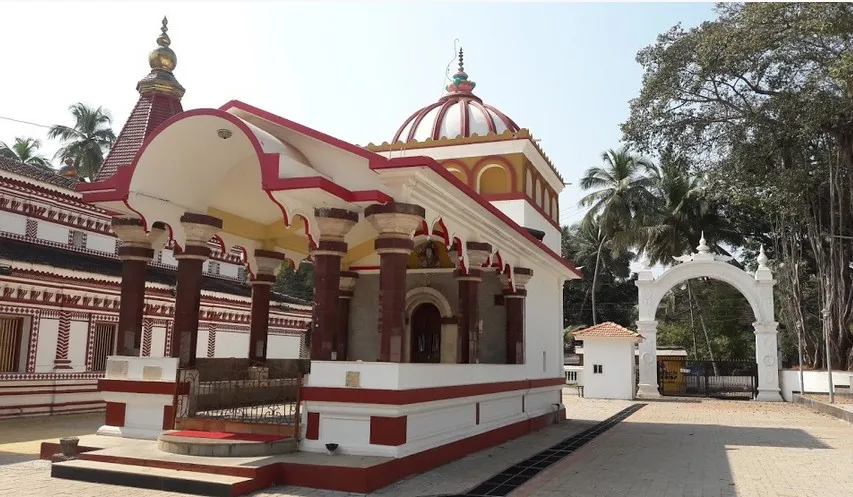
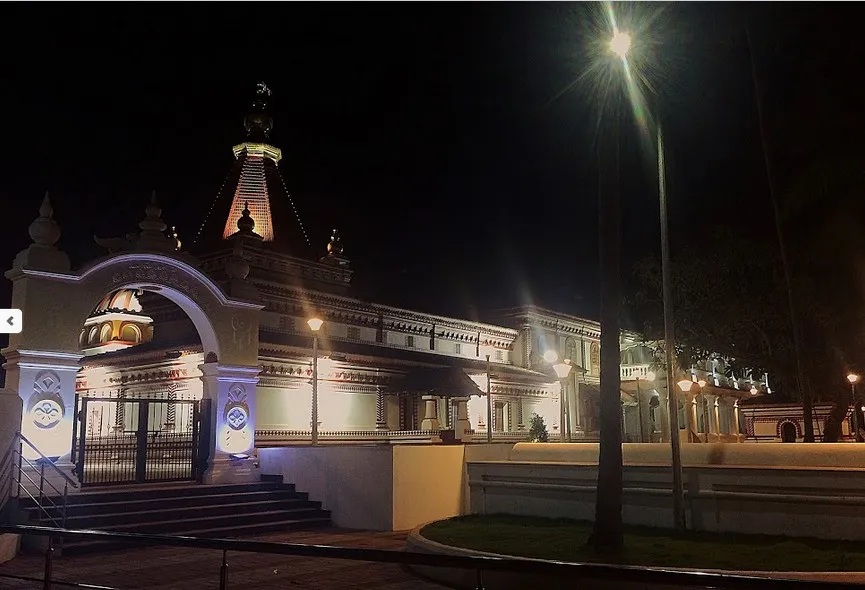
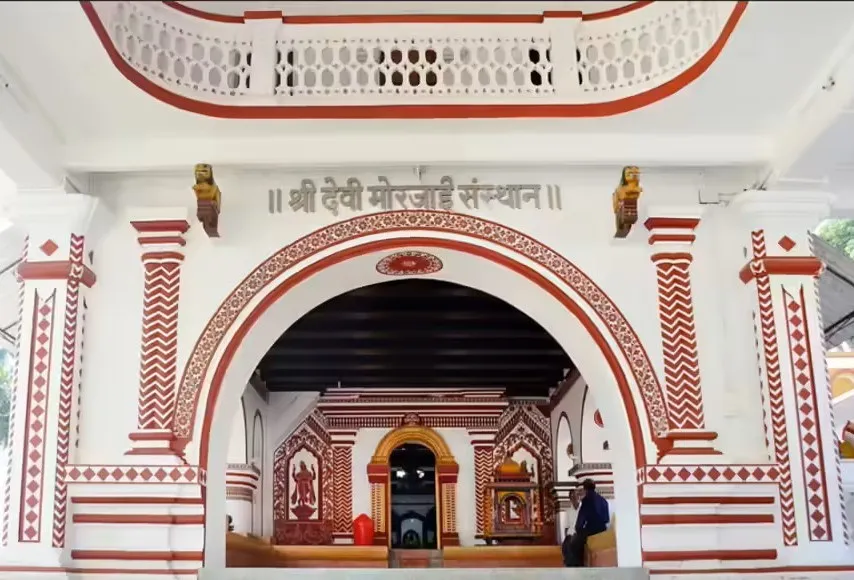
Nestled at the serene confluence of the Chapora River and the Arabian Sea, the Shri Devi Morjai Sansthan stands as the spiritual heart of village in Pernem, North Goa. This ancient temple is dedicated to Goddess Morjai — a fierce and benevolent deity revered across generations by the people of .
शापोरा नदी आणि अरबी समुद्राच्या शांत संगमावर वसलेले, श्री देवी मोरजाई संस्थान उत्तर गोव्याच्या पेडणे तालुक्यातील मोरजी गावाचे आध्यात्मिक केंद्र आहे. हे प्राचीन मंदिर श्री देव मोरजाईला समर्पित आहे — एक तेजस्वी आणि कल्याणकारी देवता जी पिढ्यानपिढ्या मोरजीच्या लोकांनी पूजनीय मानली आहे.
The land of — once known as Mayurgram, the land of peacocks — carries a legend as deep as the tides. The temple not only anchors the community's faith but also witnesses vibrant festivals that have been celebrated for centuries.
मोरजीची भूमी — एकेकाळी मयूरग्राम म्हणून ओळखली जाणारी, मोराची भूमी — एक खोल आख्यायिका बाळगते. हे मंदिर केवळ समाजाच्या श्रद्धेचे आधार नाही, तर शतकानुशतके साजऱ्या होणाऱ्या उत्साही उत्सवांचेही साक्षीदार आहे.
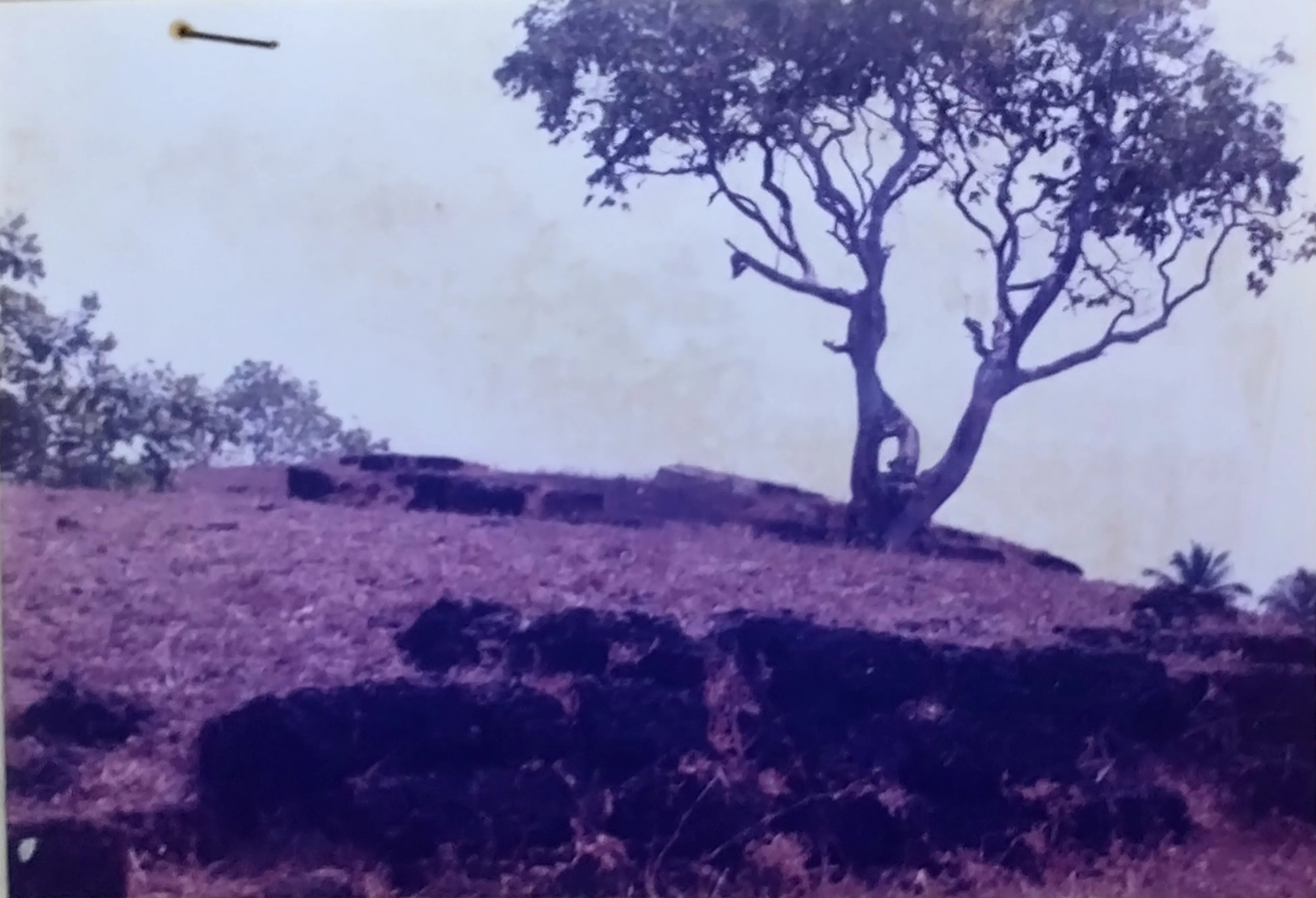
A vast portion of present-day Morji was once submerged under water. During high tide, it would be covered by the sea, and during low tide, the land (referred to as Bhati) would emerge. The primary seat of Goddess Kottatavai was located right on this Bhati. At that time, her worship was conducted there. When the village was settled, this land—the Bhati—was named after Goddess Kottatavai. Over time, the name evolved from Kottavai—Kottai... Kott—Katt—Katte. As worship practices gradually changed, people eventually forgot Goddess Kattei. However, the land itself retained the name. Even today, Kattewada is popularly known as Katte. To the east and west of Kattewada, there are settlements (wadas) still named Bhati. Once Goddess Morjai was established in the village of Moraj, Goddess Kottatavai merged into the form of Mahalakshmi Mahishasurmardini. She is worshipped by the name Morjai. She has been the village deity (Gramdevi) for several thousand years. There is a legend that "Goddess Morjai was found in the sea." Today, this is viewed not just as a legend or folklore, but as history. The claim that she was "found in the sea" holds historical merit because the deity originally belonging to the sea began to be worshipped in the settled village.
आजच्या मोरजीचा प्रचंड भूभाग पाण्याखाली होता. भरतीच्यावेळी पाणी व ओहोटीच्यावेळी भाट. या भाटीवरच कोट्टटैवै देवीचं मुख्य स्थान होते. त्या वेळी तिथेच तिची उपासना चालू होती. जेव्हा गाव वसला, तेव्हा या भूभागाला म्हणजेच भाटीला कोट्टटैवै देवीचे नाव देण्यात आले. कालांतराने कोट्टवै-कोट्टई..... कोट्ट-कट्ट-कट्टे असा नावांत बदल होत गेला. पुढे पुढे उपासना प्रकारात बदल होत गेल्यामुळं कट्टेई देवीला लोक विसरले. पण त्या भूखंडाला मात्र तेच नाव राहिले. आजही कट्टेवाडा हा कट्टे म्हणूनच प्रचलित आहे. कट्टेवाड्याच्या पूर्वेला व पश्चिमेला भाटी नामक वाडे आहेत. मोरज ग्रामात मोरजाईची स्थापना केल्यावर कोट्टटैवै महालक्ष्मी महिषासूरमर्दिनीच्या रुपात एकरुप झाली. तिलाच मोरजाई या नावाने भजतो. कित्येक हजार वर्षांपूर्वी पासून ती गावाची ग्रामदेवी आहे. "मोरजाई देवी समुद्रात सापडली" अशी आख्यायिका आहे. आता ती केवळ आख्यायिका किंवा दंतकथा नसून इतिहास म्हणून समोर आली आहे.समुद्रातील देवीला स्थळग्रामात पुजली म्हणूनच ती समुद्रांत सापडली हे म्हणणे इतिहासाला धरूनच आहे.
Mahishasurmardini is Goddess Mahalaxmi, the ancestral deity (Kuldevata) of the 'Shresth Sadam'. Because Mahalaxmi took an incarnation (Avatar) in the village of 'Mayurgram', devotees began addressing her as "Mayurja Devi." When the temple's restoration (Punarsthapana) occurred in 1920, a stone inscription was found bearing the name "Shri Devi Morja." Eventually, by combining "Morja" with the honorific "Aai" (Mother), the name "Morjai" was formed. In this way, the name 'Morjai' became prevalent, derived from the village name 'Mayurgram'.
महिषासुरमर्दिनी ही महालक्ष्मी आहे. ती 'श्रेष्ठ सदम' यांची कुलदेवता आहे. महालक्ष्मीने 'मयूर' गावात अवतार घेतला, म्हणून लोकांनी तिला 'मयूरजा देवी' म्हणायला सुरुवात केली. जेव्हा १९२० मध्ये तिची पुनर्स्थापना झाली, तेव्हा एका शिलाखंडावर 'श्री देवी मोरजा' असे नाव होते. नंतर 'मोरजा' + 'आई' मिळून 'मोरजाई' झाले. अशा प्रकारे, 'मयूरग्राम' या गावाच्या नावावरून 'मोरजाई' हे नाव प्रचलित झाले.
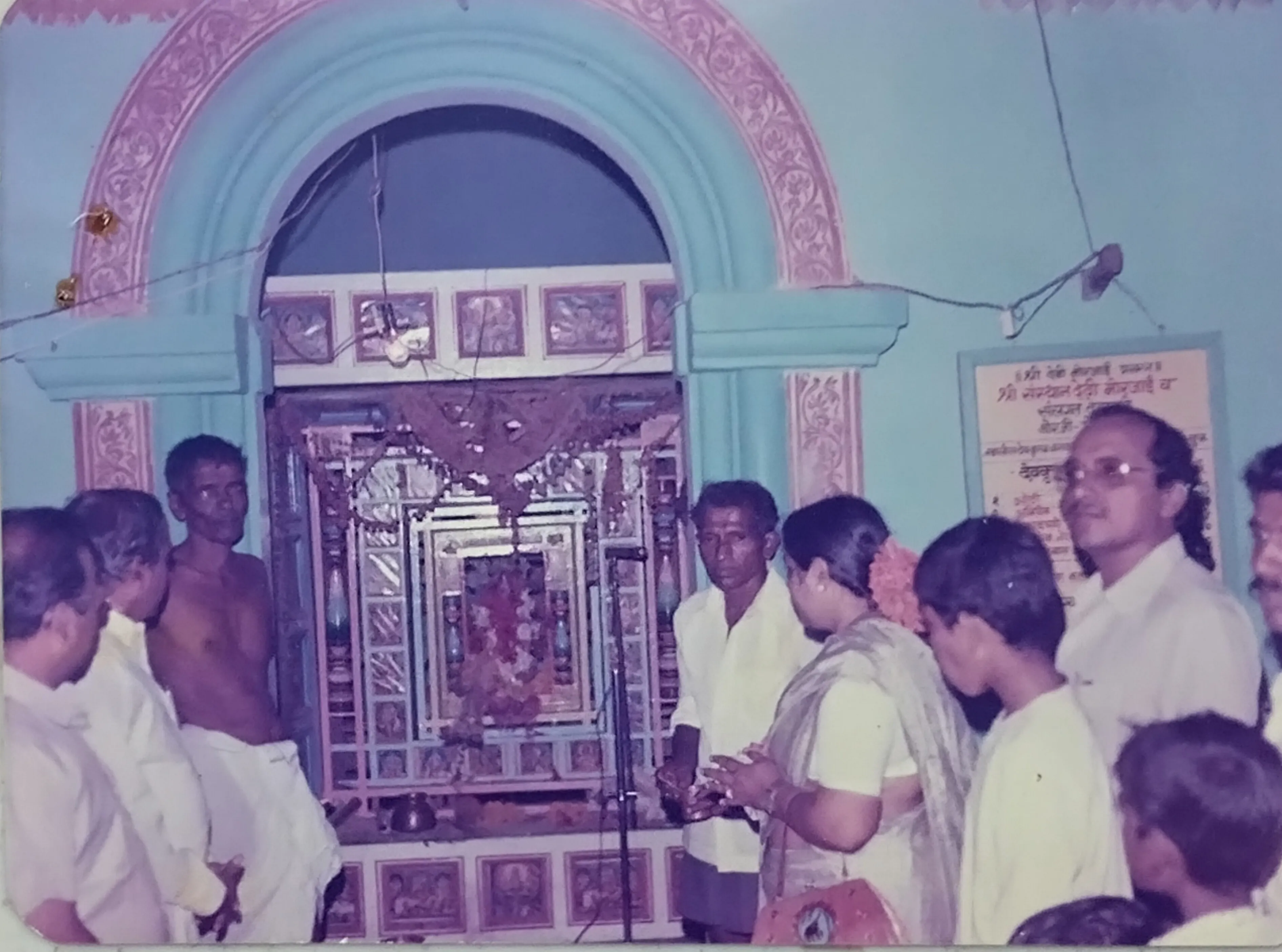
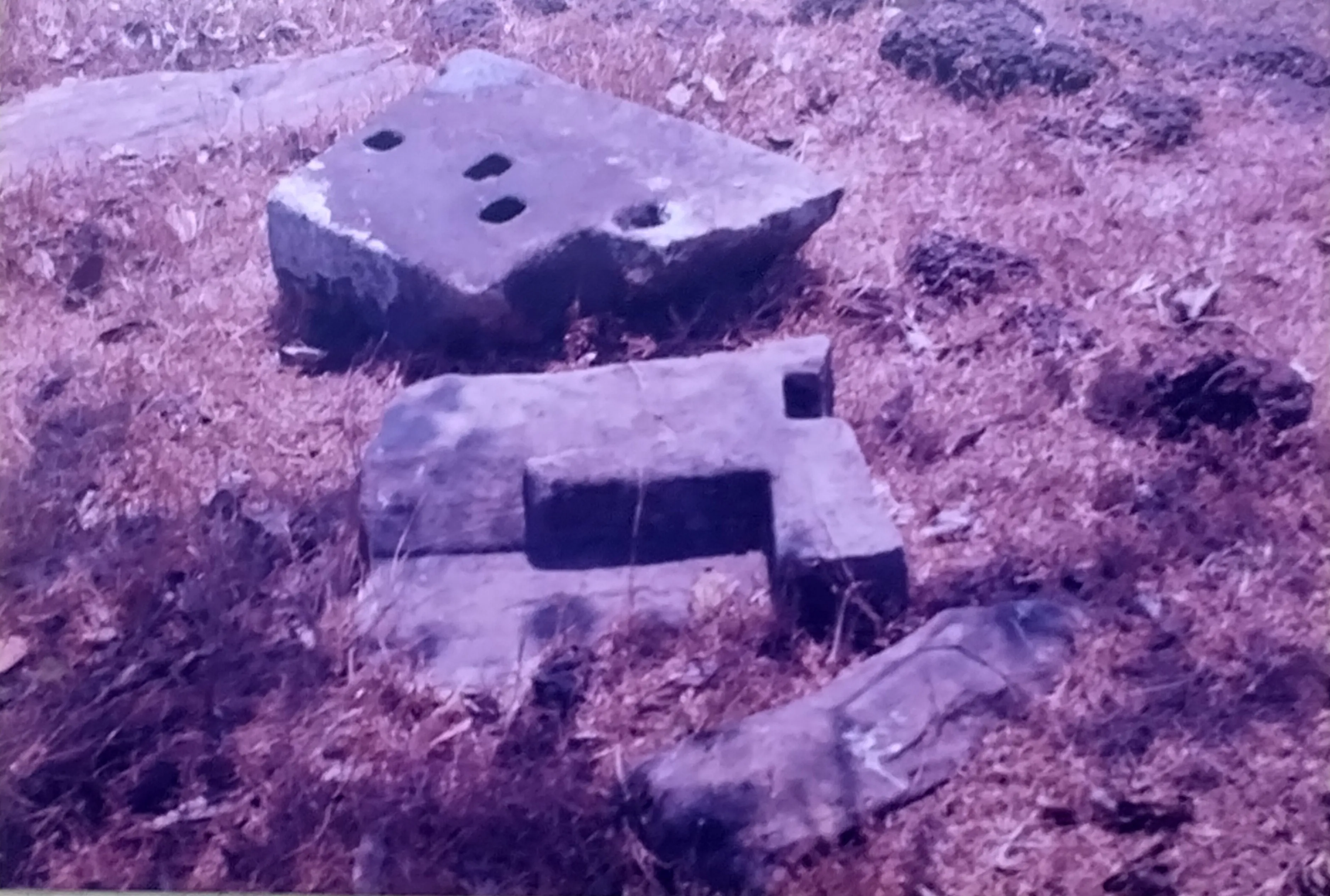
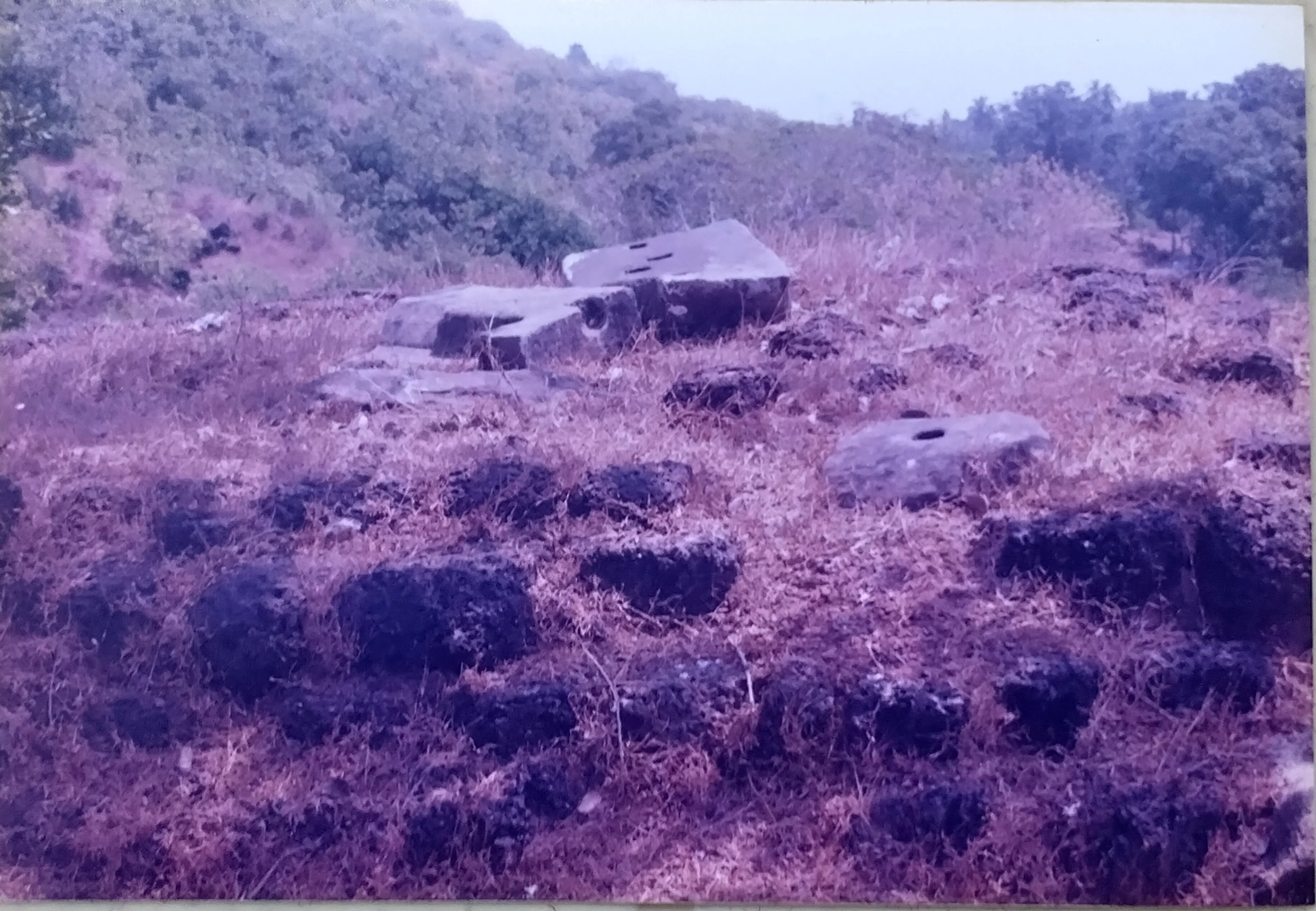
When the the temple of Shri Dev Satpurush was built , the idol of Shri Devi Mahalaxmi was initially installed within that same temple. Shortly after Mahalaxmi’s manifestation in Mayurgram, a dedicated temple for Morjai was constructed. Many experts believe that the original site of the first temple of Shri Devi Mahalaxmi-Morjai is where the 'Kalasacha Maangar' stands today. Around the 10th century, a grand temple for Morjai was built, followed by a second structure in the same vicinity years later. A Mahadev temple was also erected nearby, enshrining the Shivling, Nandi, Ganapati, and Lord Vishnu. It is noted that the 'Kalotsav' festival, as it is celebrated in its current form today, originated during this historical period.
जेव्हा श्री देव सत्पुरुषाचे मंदिर उभारले, तेव्हा श्री देवी महालक्ष्मीची स्थापना याच मंदिरात केली होती. महालक्ष्मी मयूरग्राममध्ये प्रकटल्यानंतर थोड्याच अवधीत मोरजाईचे स्वतंत्र मंदिर बांधण्यात आले. आज ज्या ठिकाणी 'कळसाचा मांगर' आहे, त्या ठिकाणी श्री देवी महालक्ष्मी-मोरजाईचे पहिले मंदिर होते, असे अनेक जाणकारांचे मत आहे. दहाव्या शतकाच्या दरम्यान मोरजाईचे भव्य मंदिर बांधले गेले, त्यानंतर काही वर्षांनी दुसरे मंदिरही तिथेच बांधण्यात आले. जवळच महादेवाचे मंदिरही उभारले गेले, ज्यात शिवलिंग, नंदी, गणपती आणि विष्णू यांच्या मूर्तींची स्थापना करण्यात आली. याच कालखंडात आजच्या स्वरूपातील 'कळोत्सवाचा' प्रारंभ झाला, अशी माहिती मिळते.
Spiritual Vessel:
As per Indian culture, the Kalash is a sacred symbol representing
the divine body. According to the texts, the Kalash was created by
Vishwakarma to hold the "Amrit" (nectar of immortality) during the
churning of the ocean.
Divine Anatomy:
It is believed that Lord Vishnu resides at the mouth of the
Kalash, Lord Shiva at the neck, Lord Brahma at the base, and the
Divine Mothers (Matrukas) in the center.
Metaphor for Life:
Spiritually, the Kalash represents
the human body, and the water within represents the life force
(Chaitanya). Just as a Kalash is adorned with mango leaves and a
coconut to signify prosperity and growth, a human life is
considered meaningful only when filled with divine
consciousness.
The Identity of 'Shri Dev Kalash': Lord Kartikeya
The deity referred to as "Shri Dev Kalash" in Morji is actually
Lord Kartikeya (the son of Shiva and Parvati).
Historical Shift:
Ancient records suggest that
Kartikeya worship was widespread across India until the 4th
century. In Morji, the early settlers (such as the Parab and
Gavans families) established the Kalash as a symbol of their
"Grampurush" (village deity) before the formal temple of Goddes
Morjai was built.
Evolution of Names:
Over centuries, as the specific
name of the deity faded from common memory, people began calling
the deity "Shri Dev Kalash " simply because he was worshipped in
the form of a Kalash rather than an idol.
Relation with Goddess Morjai
While the Kalash symbolises Kartikeya, the goddess Shree Devi
Mahalakshmi Morjai is the central power of the village today.
Around the 10th century, a wave of "Shakti" (Goddess) worship
spread across India. This influenced the local traditions in
Morji.
Mythological Merge:
Interestingly, while ancient texts like the Mahabharata credit
Lord Kartikeya with the slaying of the demon Mahishasura, the
local tradition eventually shifted this feat to Goddess Morjai.
Today, the Kalash (Kartikeya) is seen "sitting on the lap" of the
Mother Goddess Morjai during the festival, symbolizing a beautiful
mother-son relationship.
The Kalashotsav Ceremony :
The Kalashotsav is a month-long grand festival that serves as a
major cultural landmark for the community. Shri Devi Morjai is
considered one of the seven sisters including Shri Devi Lairai of
Sirigao, Shri Devi Kelbai, Shri Devi Mahamai, etc. who have one
brother, Shri Dev Khetra. During the festival, the Goddess honors
her siblings, making it a "Mahaparvni" (a great auspicious
occasion) for devotees of all seven sisters.
Ritual Significance:
The ceremony involves the formal
installation and worship of the Kalash. It marks the victory of
divinity over evil and reinforces the bond between the villagers
and their ancestral protector
आध्यात्मिक पात्र:
कळसाचे प्रतीकवाद - भारतीय संस्कृतीत कळस हा दैवी शरीराचे
प्रतिनिधित्व करणारे एक पवित्र प्रतीक आहे. ग्रंथांनुसार,
समुद्रमंथनादरम्यान "अमृत" साठवण्यासाठी विश्वकर्माने कळसाची
निर्मिती केली होती.
दैवी स्वरूप:
असे मानले जाते की कळसाच्या मुखाशी भगवान विष्णू, कंठात भगवान शिव,
तळाशी भगवान ब्रह्मा आणि मध्यभागी दैवी माता (मातृका) वास करतात.
जीवनाचे रूपक:
आध्यात्मिकदृष्ट्या, कळस मानवी शरीराचे
प्रतिनिधित्व करतो आणि त्यातील पाणी जीवनशक्ती (चैतन्य) दर्शवते.
ज्याप्रमाणे समृद्धी आणि वैभवाच प्रतीक म्हणून कळसावर आंब्याची पाने
आणि नारळ ठेवला जातो, त्याचप्रमाणे मानवी जीवन केवळ दैवी चेतनेने
भरलेले असेल तरच अर्थपूर्ण मानले जाते.
'श्री देव कळस' ची ओळख: भगवान कार्तिकेय
मोरजीमध्ये ज्या देवतेला "श्री देव कळस" म्हणून संबोधले जाते ते
प्रत्यक्षात भगवान कार्तिकेय (शिव आणि पार्वतीचे पुत्र) आहेत.
ऐतिहासिक बदल:
प्राचीन नोंदीनुसार ४ थ्या शतकापर्यंत
संपूर्ण भारतात कार्तिकेयाची पूजा मोठ्या प्रमाणावर प्रचलित होती.
मोरजीममध्ये, सुरुवातीच्या स्थायिक कुटुंबांनी (जसे की परब आणि गंवस
कुटुंबे)श्री देवी मोरजाईचे औपचारिक मंदिर बांधण्यापूर्वी कळसाला
त्यांचे "ग्रामपुरुष" (ग्रामदैवत) म्हणून स्थापित केले होते.
नावांची उत्क्रांती:
शताब्दींनंतर, जेव्हा देवतेचे
विशिष्ट नाव जनमानसातून पुसले गेले, तेव्हा लोकांनी त्या देवतेला
"श्री देव कळस " म्हणण्यास सुरुवात केली, कारण त्यांची पूजा
मूर्तीऐवजी कळसाच्या रूपात केली जात होती.
श्री देवी मोरजाईशी संबंध
कळस कार्तिकेयाचे प्रतीक तरी, श्री देवी महालक्ष्मी मोरजाई ही आज
गावातील केंद्रवर्ती शक्ती आहे. १० व्या शतकाच्या सुमारास, संपूर्ण
भारतात "शक्ती" (देवी) पूजेची लाट पसरली. याचा प्रभाव मोरजीममधील
स्थानिक परंपरांवरही पडला.
पौराणिक संगम:
विशेष म्हणजे, महाभारतासारख्या प्राचीन ग्रंथांमध्ये महिषासुराचा वध
करण्याचे श्रेय भगवान कार्तिकेयाला दिले जाते, परंतु स्थानिक उत्सव
परंपरेने कालांतराने हे श्रेय देवी मोरजाईकडे वळवले. आज उत्सवाच्या
दरम्यान, कळस (कार्तिकेय) आई मोरजाईच्या "मांडीवर बसलेला" दिसतो, जे
माता आणि पुत्राच्या सुंदर नात्याचे प्रतीक आहे.
कळसोत्सव सोहळा:
कळसोत्सव हा महिनाभर चालणारा एक भव्य उत्सव आहे जो समुदायासाठी एक
महत्त्वाचा सांस्कृतिक वारसा आहे. मोरजाई ही सात बहिणींपैकी एक मानली
जाते ज्यामध्ये शिरगावची श्री देवी लईराई, श्री देवी केळबाई, श्री
देवी महामाई इत्यादींचा समावेश होतो ज्यांना श्री देव खेत्र हा एक
भाऊ आहे. उत्सवा दरम्यान, देवी आपल्या भावंडांचा सन्मान करते,
ज्यामुळे या सातही बहिणींच्या भक्तांसाठी ही एक "महापर्वणी" ठरते.
विधींचे महत्त्व:
या सोहळ्यामध्ये कळसाची औपचारिक
स्थापना आणि पूजा केली जाते. हे अधर्मावर धर्माच्या विजयाचे प्रतीक
आहे आणि गावकरी व त्यांच्या पूर्वजांपासून चालत आलेल्या
संरक्षकांमधील नाते अधिक दृढ करते.
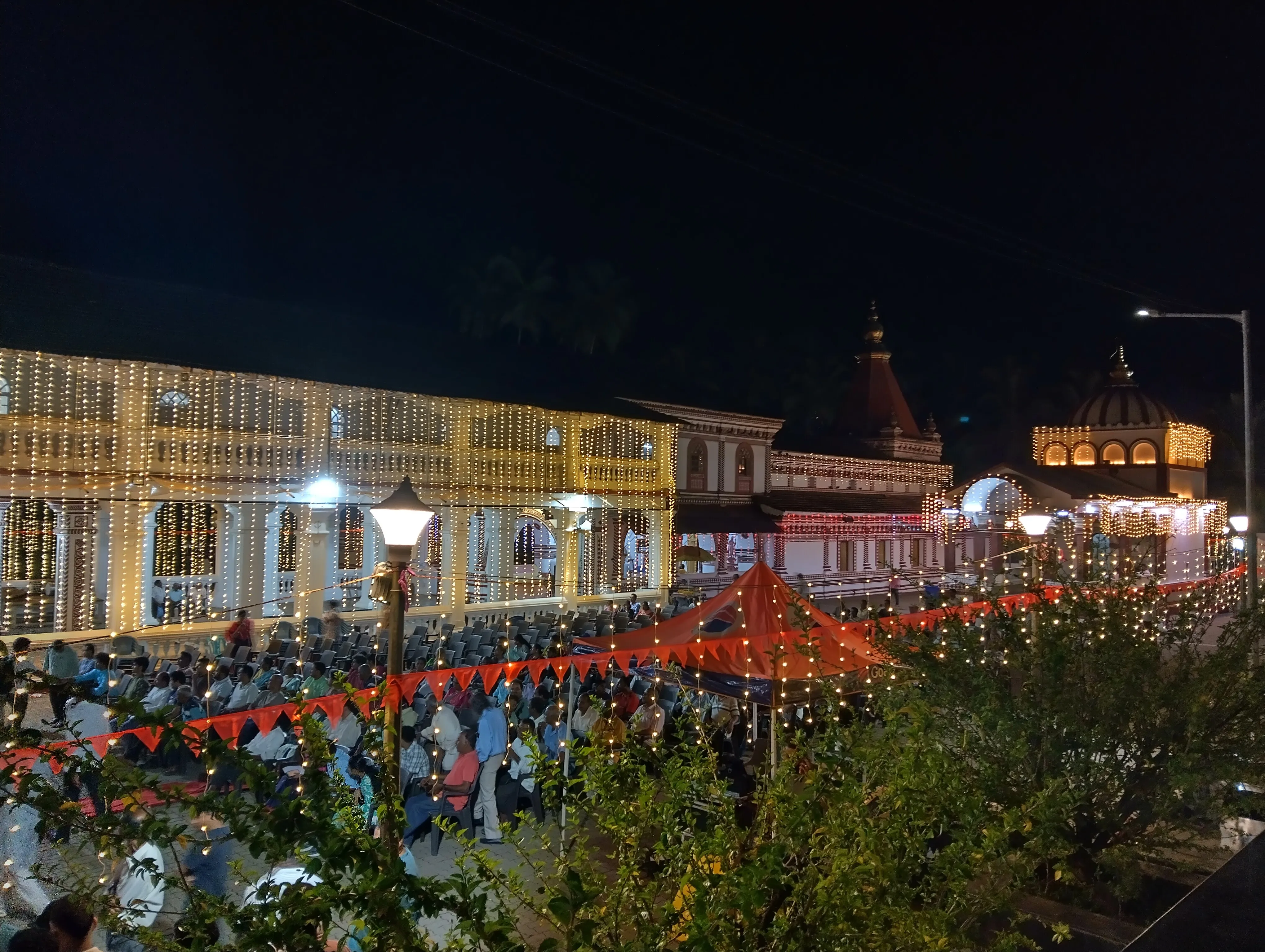
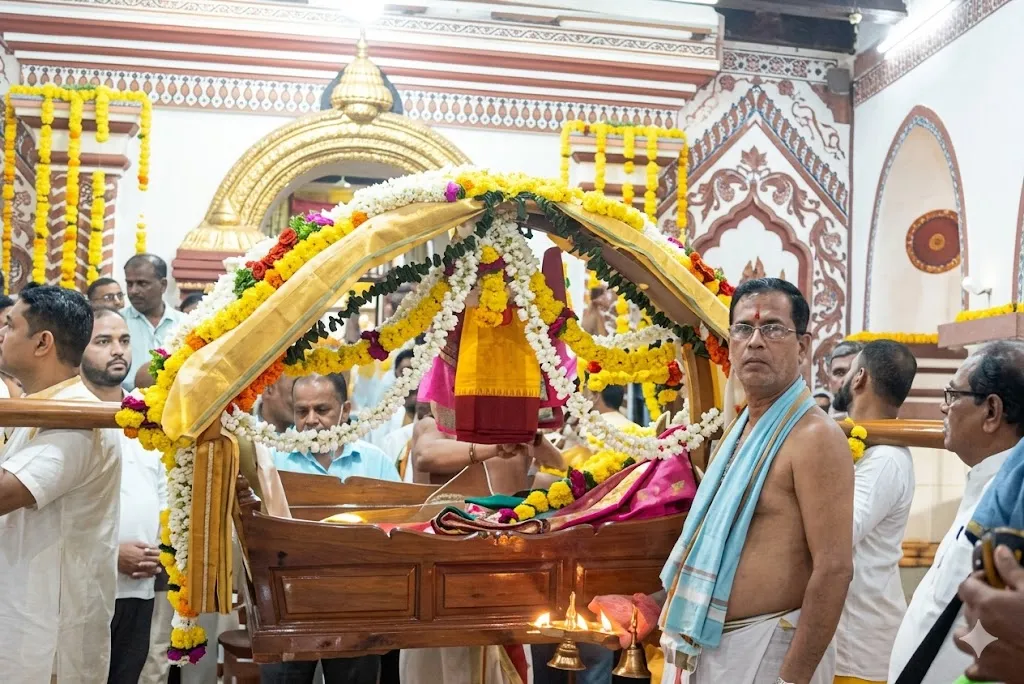
The appearance day festival of Shri Devi Morjai is celebrated with immense devotion and in a traditional manner. This auspicious celebration begins on the day of Vaishakh Krishna Saptami. The festivities commence in the morning with the Maharudra Havan, a sacred ritual performed to seek the goddess's blessings. Following this, the tradition of 'Garhane' is observed, which is a significant custom where devotees offer their prayers and heartfelt wishes at the feet of the deity. In the afternoon, a grand Mahaprasad is organized for all the devotees to partake in. As night falls, a magnificent palanquin procession of the Goddess is taken out with great pomp and splendor. After the procession, the audience is treated to a variety of cultural programs, primarily featuring theatrical performances and plays. Finally, the auspicious festival concludes with a formal and ritualistic closing ceremony.
श्री देवी मोरजाई प्रकटदिनाचा उत्सव अत्यंत भक्तिमय आणि पारंपरिक पद्धतीने साजरा केला जातो. वैशाख कृष्ण सप्तमीच्या शुभ मुहूर्तावर या उत्सवाची सुरुवात होते. दिवसाच्या सुरुवातीला महारुद्र हवन केले जाते. यानंतर देवीला गाऱ्हाणे घातले जाते, ही एक महत्त्वाची परंपरा असून याद्वारे भक्त आपल्या मनोकामना आणि प्रार्थना देवीच्या चरणी सादर करतात. दुपारच्या वेळी सर्व भक्तांसाठी महाप्रसादाचे आयोजन केले जाते. रात्री देवीची पालखी मिरवणूक मोठ्या थाटामाटात काढली जाते. पालखी सोहळ्यानंतर सांस्कृतिक कार्यक्रमांची मेजवानी असते, ज्यात प्रामुख्याने नाट्यप्रयोग सादर केले जातात. शेवटी, विधीवत सांगता होऊन या मंगलमयी उत्सवाची सांगता होते.
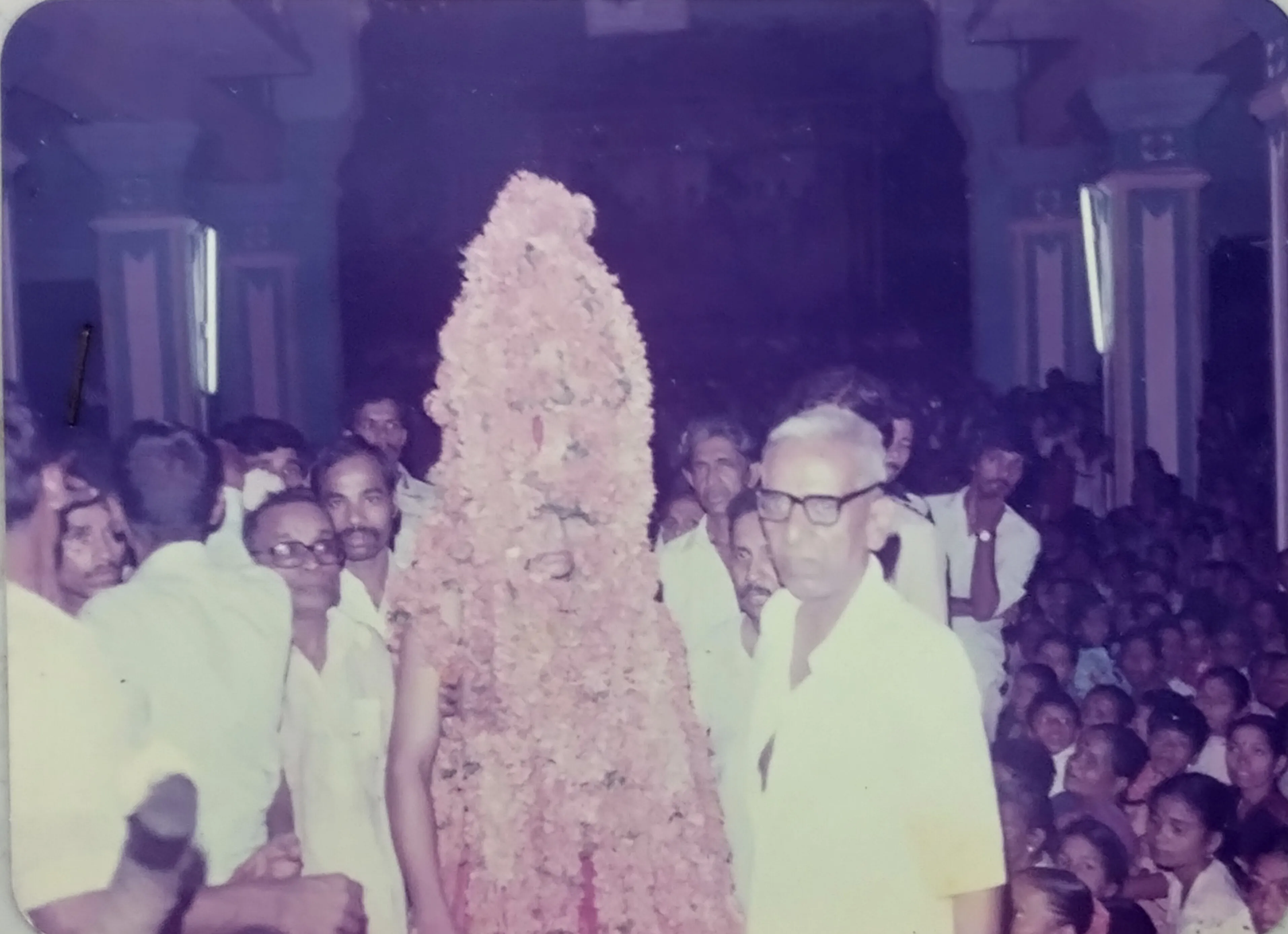
The 'Kalash' (sacred pot), filled with water and adorned with mango leaves and flowers, is worshipped as the manifest 'Grampurush'—the presiding deity of the village. This festival is celebrated once every three, five, or seven years; it marks the divine period when Lord Kartikeya is seated (virajman) in the lap of his mother, Goddess Morjai. According to mythology, during their time of separation, the Goddess weeps so inconsolably that her nine-yard (Nauvari) saree becomes completely drenched with tears—making this a moment that is profoundly divine and heart-touching.
पाण्याने भरलेला आणि आंब्याच्या पानांनी आणि फुलांनी सजवलेला 'कळस' हा साक्षात 'ग्रामपुरुष' म्हणजेच गावाचा देव म्हणून पूजला जातो. हा उत्सव दर तीन, पाच किंवा सात वर्षांनी एकदा साजरा केला जातो; हा तो काळ असतो जेव्हा भगवान कार्तिकेय आपली माता मोरजाई हिच्या मांडीवर विराजमान होतो . पौराणिक कथेनुसार, त्यांच्या विरहाच्या काळात देवी इतकी व्याकुळ होऊन रडते की तिची नऊवारी साडी अश्रूंनी भिजून चिंब होते — हा क्षण अत्यंत दैवी आणि मनाला स्पर्श करणारा असत
The Sacred Maand
The festival ignites at the 'Maand', the village’s spiritual
stage. Men play the 'Dhol, Tasha, and Kansalem' to invoke local
deities, establishing the rhythmic foundation for the nine-day
celebration.
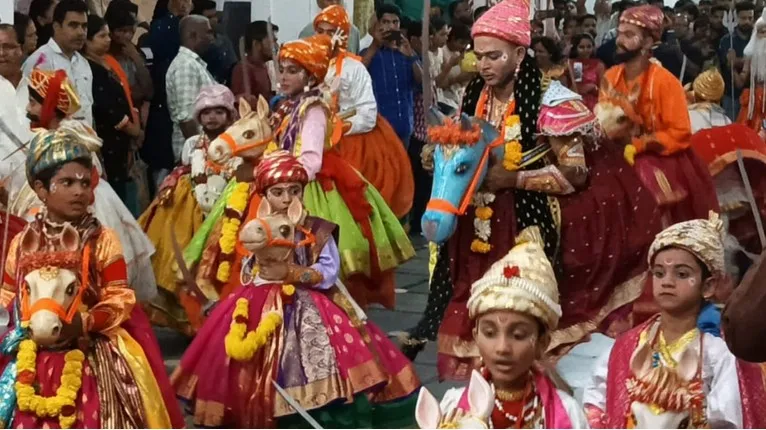
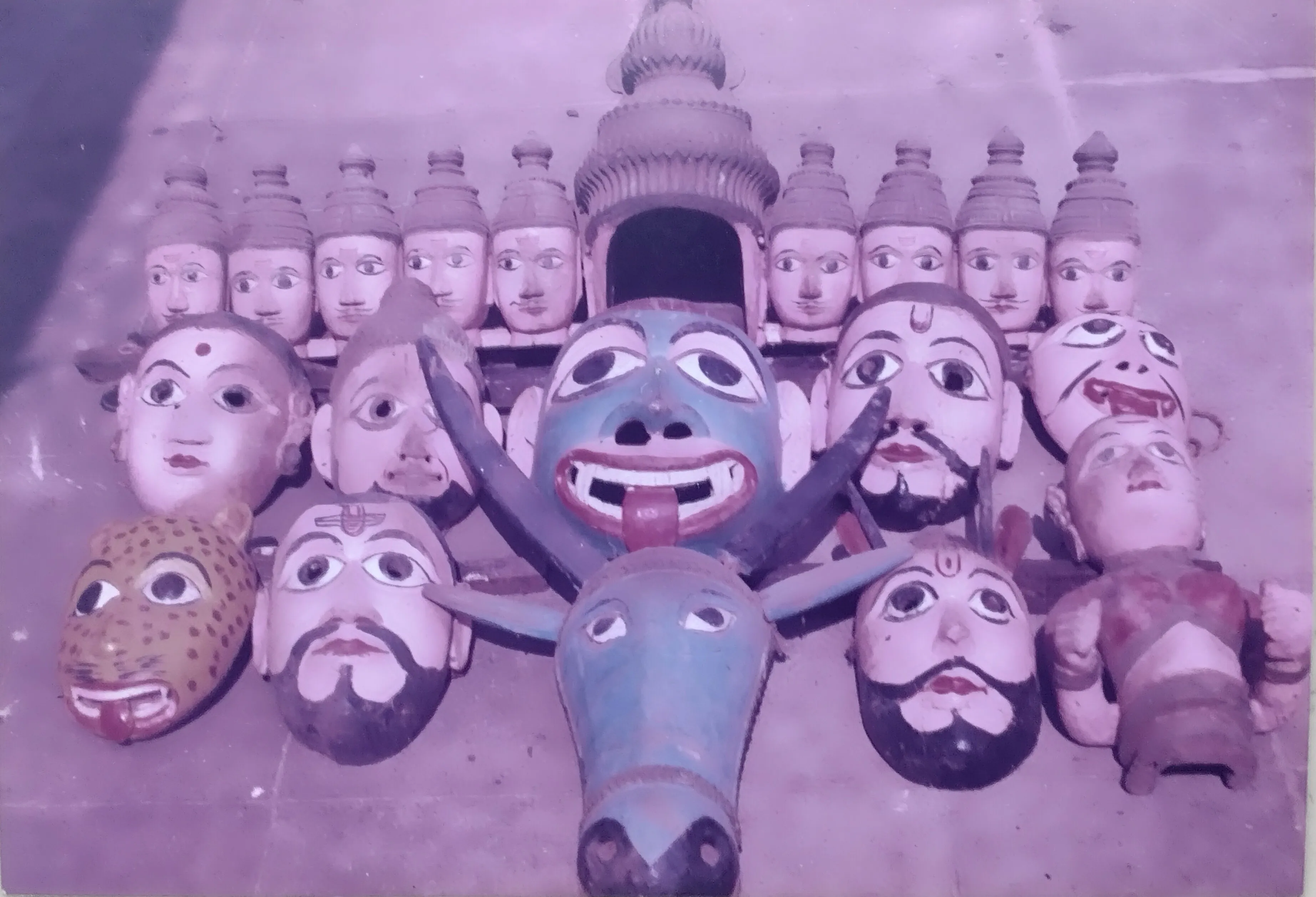
The Ghodemodni
During Shigmo, the village honors its martial past through
'Ghodemodni'. Dancers in warrior gear "ride" dummy horses and
brandish swords, marching toward the Morjai Temple to reenact
legends of ancestral valor.
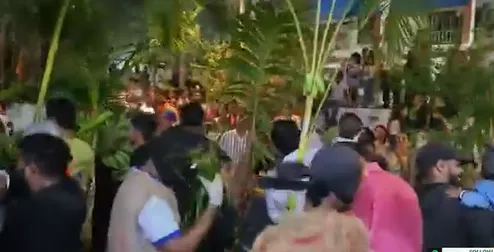
Choriyeche Romat
In this rare Morji custom, participants perform a "thievery
dance." They "steal" items from local orchards and fields, dancing
with the goods to celebrate ancient community traditions and the
harvest.
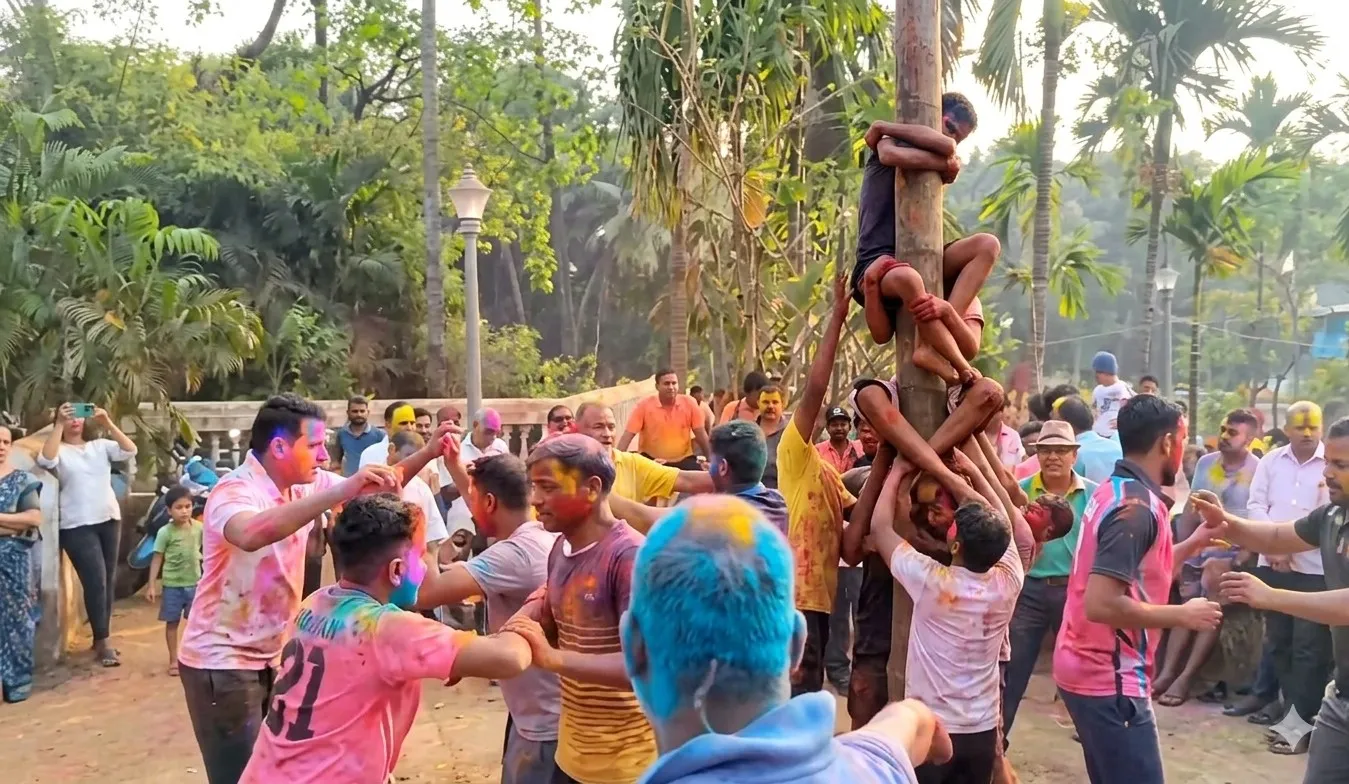
Rang Panchami Climax
While celebrating Dhulivandan, the villagers perform the
traditional Tipri dance to the rhythm of folk songs known as
'Jati'. Alongside this, they engage in a fun-filled ritual of
climbing "Holi" and playfully pulling one another down.
The Holy Dip
After being drenched in colors, everyone follows a "Divine Call"
and heads toward the Chapora River or the sea for a ritualistic
holy bath. Following the purification, all devotees return to the
Shri Morjai Devi Temple for a collective Aarti. Once the Aarti
concludes, the villagers return home chanting the names of Lord
Hari and Lord Vitthal, marking the official conclusion of the
Shigmostav festival.
पवित्र मांड
उत्सवाची सुरुवात गावाच्या आध्यात्मिक
व्यासपीठावर म्हणजेच 'मांड' वर होते. नऊ दिवसांच्या उत्सवाचा तालबद्ध
पाया रचण्यासाठी पुरुष 'धोल, ताशा आणि कान्साळे' वाजवून स्थानिक
देवतांचे आवाहन करतात.
घोडेमोडणी
शिगम्यादरम्यान, 'घोडेमोडणी' द्वारे गाव आपल्या पराक्रमी इतिहासाचा
सन्मान करते. योद्ध्यांच्या पेहरावातील नर्तक बनावट घोड्यावर स्वार
होऊन आणि हातात तलवार घेऊन पूर्वजांच्या शौर्याच्या कथा साकारत
मोरजाई मंदिराकडे कूच करतात.
चोरियेचे रोमाट
मोरजीच्या या दुर्मिळ परंपरेत सहभागी लोक "चोरियेचे रोमाट" सादर
करतात. ते स्थानिक बागा आणि शेतातून वस्तूंची "चोरी" करतात आणि
प्राचीन सामुदायिक परंपरा आणि कापणीचा आनंद साजरा करण्यासाठी त्या
वस्तूंसह नृत्य करतात.
रंगपंचमी
गावकरी धुलिवंदन साजरा करताना, पारंपरिक जती (गीते) गात, पारंपरिक
टिपरी नृत्य करतात.आणि होळीवर चढण्याचा आणि एकमेकांना खाली खेचण्याचा
एक मजेशीर खेळ खेळतात.
पवित्र स्नान
रंगात न्हाऊन निघाल्यानंतर, एका 'दैवी
हाकेनुसार' सर्वजण चापोरा नदीवर किंवा समुद्रावर जातात आणि विधिवत
स्नान करतात. त्यानंतर सर्व भाविक पुन्हा श्री मोरजाई देवीच्या
मंदिरात येतात आणि सामूहिक आरती करतात. आरती झाल्यानंतर ग्रामस्थ
हरिनामाचा आणि विठ्ठलाचा गजर करत घरी परततात, ज्याने शिगमोत्सवाची
अधिकृत सांगता होते.
The "Jatra" of Morjai Panchayatana is celebrated with great pomp and splendor at the Morjai Devi Temple. On this auspicious day, special worship rituals (Samaradhana) are performed in the temples of the Panchayatana: Satpurush, Brahman, Morjai, Bhumika, and Kalbhairav. Married women gather in large numbers to offer the traditional sacred offerings of Oti to the Goddess, while many devotees make solemn vows to the deity.Inside the temple, rituals like the Laghurudra or Maharudra Havan are conducted along with other traditional religious ceremonies. Once these rituals are concluded, a Mahaprasad (sacred feast) is organized for all the devotees. The excitement of the festival escalates at night when the Palkhi (palanquin) procession of Goddess Morjai is taken out amidst the rhythmic beats of Dhol-Tasha and a grand display of fireworks. Following the procession, a Dashavatari drama (a traditional folk play) begins. On the evening of the second day, the Gawlan-Kala program takes place. The highlight of this event is when the character of Lord Krishna breaks the Dahihandi. Finally, a Garhane (a formal prayer/invocation to the deity) is offered in the temple, which marks the official conclusion of this joyous and holy fair.
मोरजाई पंचायतनाची जत्रा मोरजाई देवीच्या मंदिरात मोठ्या थाटामाटात साजरी केली जाते. या उत्सवाच्या दिवशी सत्पुरुष, ब्राह्मण, मोरजाई, भूमिका आणि काळभैरव या पंचायतन देवतांच्या मंदिरात विशेष समाराधना घातल्या जातात. या दिवशी सुवासिनी देवीची ओटी भरण्यासाठी मोठ्या संख्येने उपस्थित असतात. भक्त नवस बोलतात.मोरजाई मंदिरामध्ये लघुरुद्र किंवा महारुद्र हवन संपन्न होतो आणि इतर धार्मिक विधीचे पालन केले जाते. हे सर्व विधी पूर्ण झाल्यावर भाविकांसाठी महाप्रसादाचे आयोजन करण्यात येते. रात्रीच्या वेळी उत्सवाचा उत्साह अधिकच वाढतो, जेव्हा ढोल-ताशांच्या गजरात आणि फटाक्यांच्या भव्य आतिषबाजीत मोरजाई देवीची पालखी मिरवणूक निघते. या पालखी सोहळ्यानंतर दशावतारी नाटक सुरू होते. उत्सवाच्या दुसऱ्या दिवशी संध्याकाळी गवळण-काला हा कार्यक्रम रंगतो. या कार्यक्रमात जेव्हा श्रीकृष्ण दहीहंडी फोडतात. त्यानंतर मंदिरात देवाचे गाऱ्हाणे घातले जाते. हे गाऱ्हाणे झाल्यावरच या मंगलमय जत्रेची अधिकृत सांगता होते.
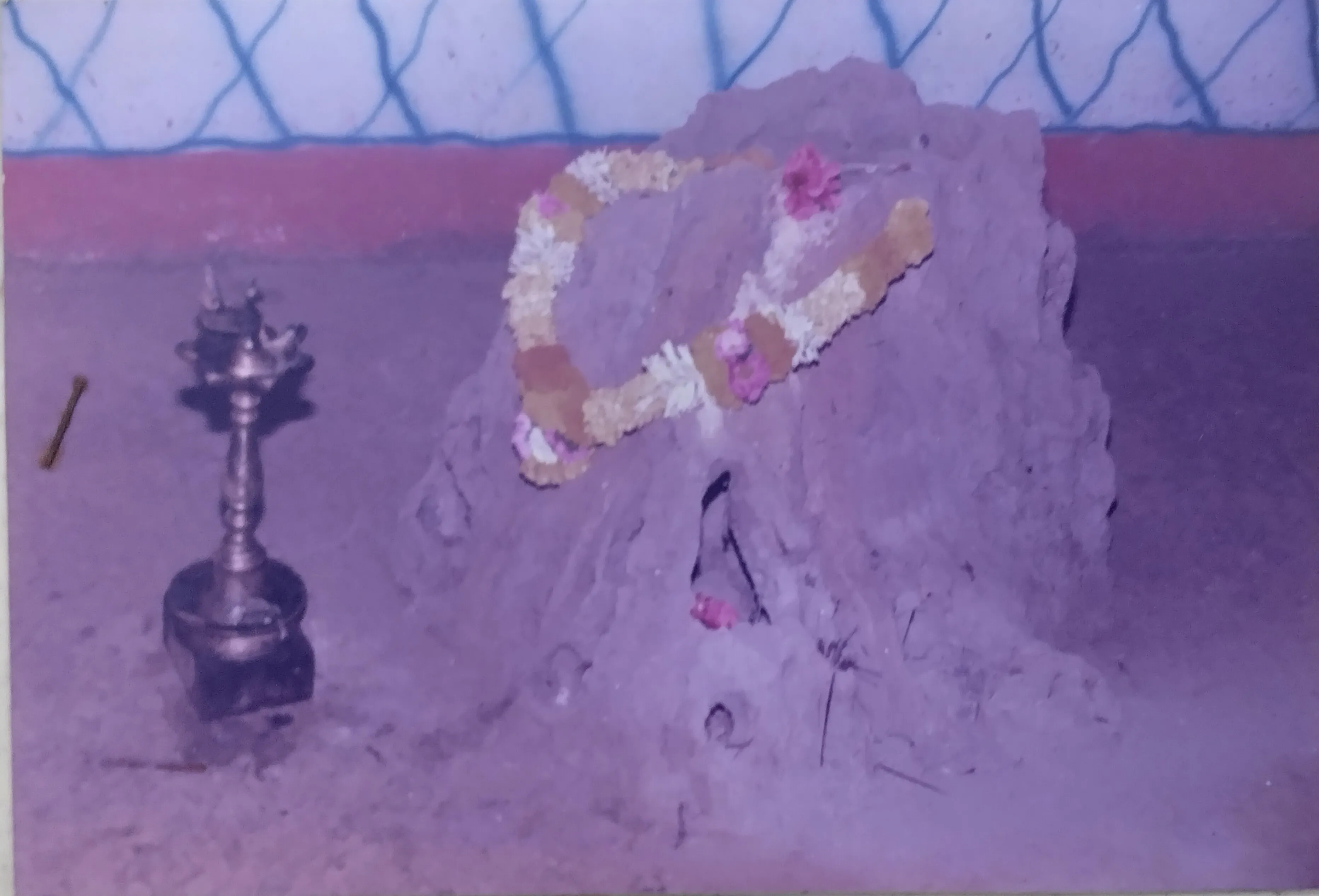
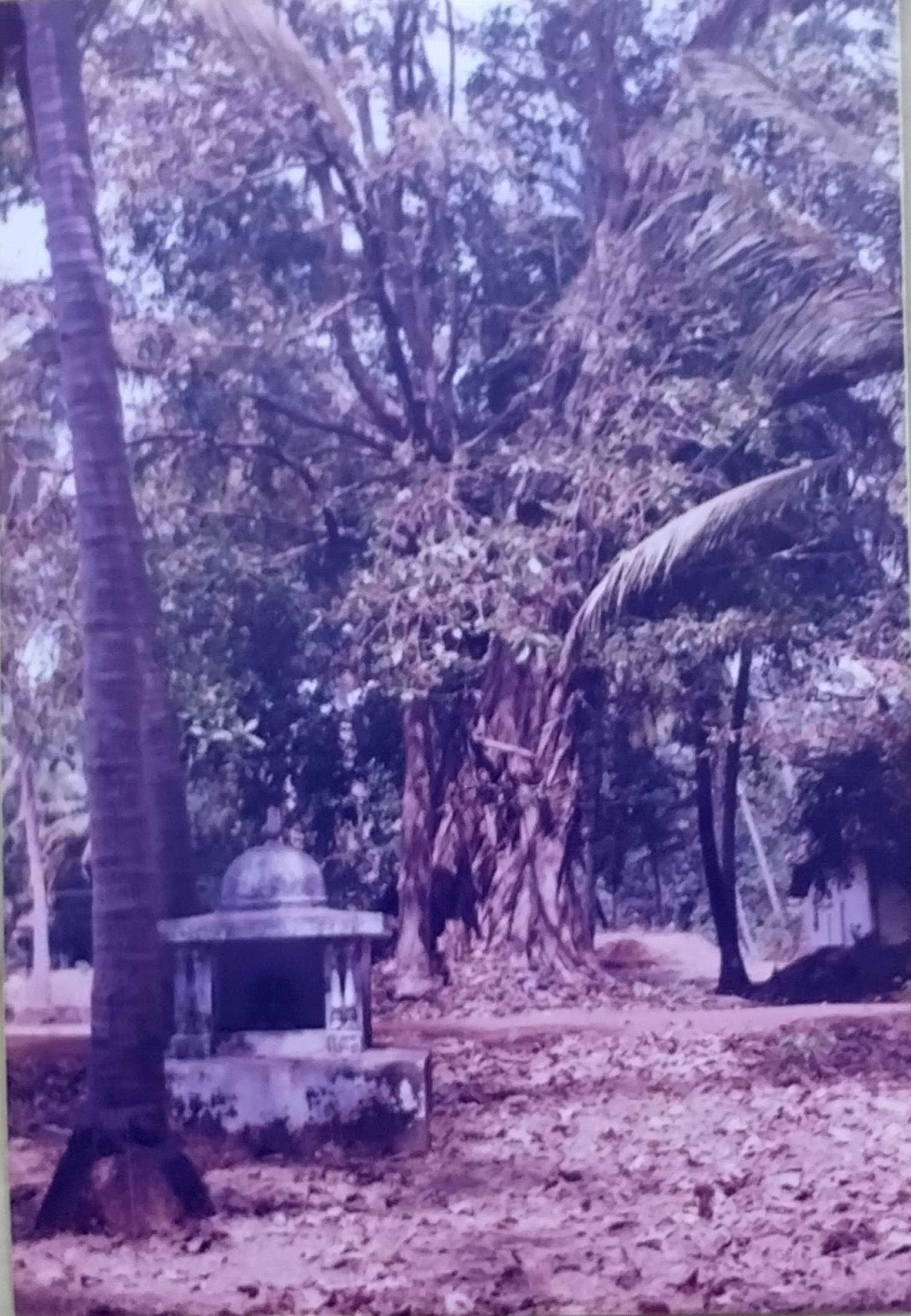
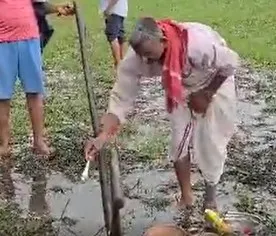
'Nangar Paraab' is a vital festival for the farming community. Although its prominence has diminished in modern times—remaining largely a symbolic ritual—it is still strictly observed today. In the village of Morji, no farmer takes a plough to the fields until this ritual is performed; the official commencement of the ploughing season is forbidden until the completion of Nangar Paraab. Customarily, from the Hindu month of Phalguna until the fifth day of Jyeshtha (Krishna Paksha), farmers in Morji do not touch the soil with a plough. This ancient tradition marks a period of rest for the Earth, making any tilling taboo. This practice stands as a significant mark of respect toward Mother Earth in Indian culture. The Nangar Paraab ritual typically takes place in the last week of May. An auspicious day is selected by carefully considering the Tithi (lunar day), Var (weekday), Nakshatra (star), and Yoga. The ritual is presided over by the village's 'Second Manakari' (Gaonkar), who is responsible for providing the new plough, ritual offerings, and other items required to honor the various deities. The ceremony unfolds across three primary locations. First, the 'Nangar Paraab Feast' is prepared at the Temple of the Heroes (Veer Mandir), where the temple priest personally prepares the food. Next, offerings and traditional prayers are offered at the entrance of the Shri Bhagwati Morjai temple. Finally, the procession moves to the 'Abode of the Twelve,' located about 100 meters below the Shri Dev Satpurush temple. Known as 'Barajananche Rai,' this site features an ancient Banyan tree with a wooden pillar where twelve oil lamps are stacked. Formal worship takes place in the 'Paraab field' adjacent to the site of the Twelve, where the new plough and the Earth are ritually worshipped. The first furrow is drawn by the priest of Shri Devi Morjai, and only then can the rest of the village begin their seasonal ploughing. During the feast, thirteen leaves are laid out: twelve for the 'Twelve' and one for Shri Devi Sateri. The leaf for Devi Sateri is carried in a musical procession to her temple, while the others are accepted by the Second Manakari. It is believed that the 'Lineage of the Twelve' refers to the ancestors of this Second Manakari, to whom Shri Devi Morjai first revealed herself in a divine vision.
'नांगर पराब' हा शेतकरी वर्गासाठी अत्यंत महत्त्वाचा सण आहे. जरी आजच्या काळात या सणाचे महत्त्व पूर्वीसारखे राहिले नसले आणि तो केवळ एक नाममात्र विधी उरला असला, तरी आजही या विधीशिवाय मोरजी गावात कोणीही शेतात नांगर नेत नाही. जोपर्यंत नांगर पराब होत नाही, तोपर्यंत शेत नांगरण्यास अधिकृतपणे प्रारंभ केला जात नाही. साधारणपणे फाल्गुन महिन्यापासून ते ज्येष्ठ शुद्ध पंचमीपर्यंत मोरजी गावातील शेतकरी जमिनीला नांगर लावत नाहीत. ही परंपरा अतिशय प्राचीन असून, हा काळ भूमीला विश्रांती देण्यासाठी काळ मानला जात असल्याने या काळात जमीन नांगरणे वर्ज्य मानले जाते. सांस्कृतिक अभ्यासकांच्या मते, ही भारतीय संस्कृतीतील भूमीप्रती असलेल्या आदराची एक महत्त्वाची खूण आहे. नांगर परबेची तयारी आणि मुहूर्त नांगर परबेचा विधी साधारणपणे मे महिन्याच्या शेवटच्या आठवड्यात पार पडतो. यासाठी तिथी, वार, नक्षत्र आणि योग यांचा विचार करून एक शुभ दिवस निवडला जातो. यजमान: या विधीचा यजमान गावातील 'दुसरा मानकरी' (गांवकर) असतो. साहित्य: विधीसाठी लागणारा नवीन नांगर, पूजेचे साहित्य आणि विविध देवतांच्या मानपानासाठी लागणाऱ्या वस्तू हा मानकरीच उपलब्ध करून देतो. विधीची प्रक्रिया आणि ठिकाणे नांगर परबेचा विधी प्रामुख्याने तीन ठिकाणी पार पडतो: वीरांच्या मंदिराजवळ: येथे प्रथम 'नांगर परबेची जेवणी' तयार केली जाते. मंदिराचा पुजारी (गुरव) स्वतः हाताने हा स्वयंपाक तयार करतो. द्वारपाळाजवळ (पुर्वार): श्री भगवती मोरजाईच्या पुर्वारापाशी (द्वारपाळाजवळ) नैवेद्य दाखवून गाऱ्हाणे घातले जाते. बाराजणांच्या स्थळी: यानंतर सर्वजण बाराजणांच्या स्थळी जातात, जे श्रीदेव सत्पुरुषांच्या मंदिराच्या खाली साधारण शंभर मीटरवर आहे. याला 'बाराजणांची राय' असेही म्हणतात. येथे एका प्राचीन वटवृक्षाच्या बुंध्याशी एक लाकडी स्तंभ असून त्यावर बारा पणत्या एकावर एक ठेवलेल्या असतात. पूजा आणि प्रथम नांगरणी बाराजणांच्या स्थळाजवळ असलेल्या परबेच्या शेतात विधीवत पूजा केली जाते. येथे नवीन नांगराची आणि भूमीची पूजा होते. श्री देवी मोरजाईच्या पुजाऱ्याच्या हस्ते प्रथम नांगरणी केली जाते आणि त्यानंतरच संपूर्ण मोरजी गावात शेती कामांना, म्हणजेच नांगरणीला सुरुवात होते. नैवेद्य आणि 'थाया'ची परंपरा जेवणाच्या विधीमध्ये एकूण तेरा पाने (थाय) वाढली जातात. त्यापैकी: बारा पाने: ही 'बाराजणांसाठी' असतात. एक पान: हे 'श्री देवी सातेरीसाठी' असते. सातेरी देवीचे पान वाजत-गाजत सातेरी मंदिरात पाठवले जाते, तर उर्वरित बारा पाने दुसरे मानकरी स्वीकारतात. असे मानले जाते की, बाराजणांचा वंस हा दुसऱ्या मानकऱ्यांच्या वंशातील पुरुष असावा, ज्याला श्री देवी महालक्ष्मी मोरजाईचा प्रथम दृष्टांत झाला होता.
Varchawada, Morji,
Pernem, Goa – 403 512
वरचावाडा, मोरजी,
पेडणे, गोवा – ४०३ ५१२
Morning: 6:00 AM – 12:00 PM
Evening: 4:00 PM – 9:00 PM
सकाळ: सकाळी ६:०० – दुपारी १२:००
सायंकाळ: दुपारी ४:०० –
रात्री ९:००
Shri Morjai Devi
Guardian of Morji
श्री मोरजाई देवी
मोरजीची रक्षणकर्ती